
How Automation Is Transforming Jobs in the Automotive Industry

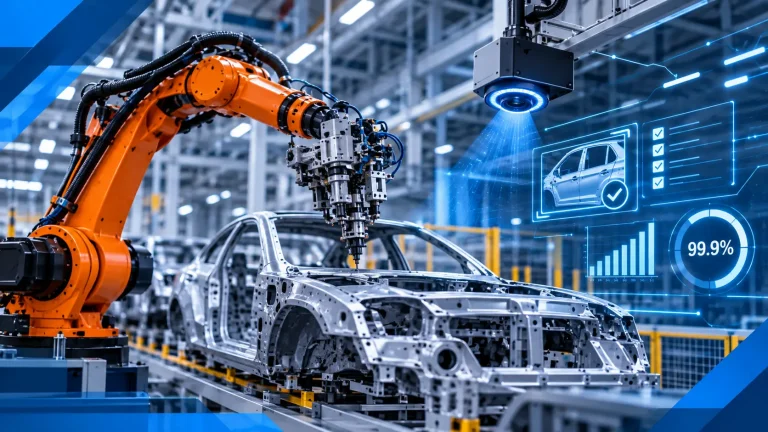
The evolution of industrial automation in the automotive industry has reached a strategic turning point. The large-scale integration of robotic cells, intelligent assembly lines, and advanced systems powered by artificial intelligence is no longer just an option for improving production performance. It has become an essential structural transformation for managing human capital and maintaining the global competitiveness of Tier 1 and Tier 2 manufacturing plants. Automation ISK.
1. From Repetitive Work to Specialized Technical Roles
Historically, stamping, welding, painting, and final assembly processes required significant physical effort and exposed operators to substantial ergonomic risks. The introduction of advanced automation and automated material handling systems (conveyors) has made it possible to safely transfer heavy physical workloads directly to precision machinery.
Operators evolve into strategic roles such as PLC programmers, robotics technicians, and robotic cell supervisors.
By delegating repetitive movements to automated systems, workplace injuries and disability-related incidents are significantly reduced.
Personnel can dedicate their workday to real-time performance analysis, dimensional quality control, and continuous improvement initiatives.
2. Human-Machine Collaboration: The Value of Human Capital
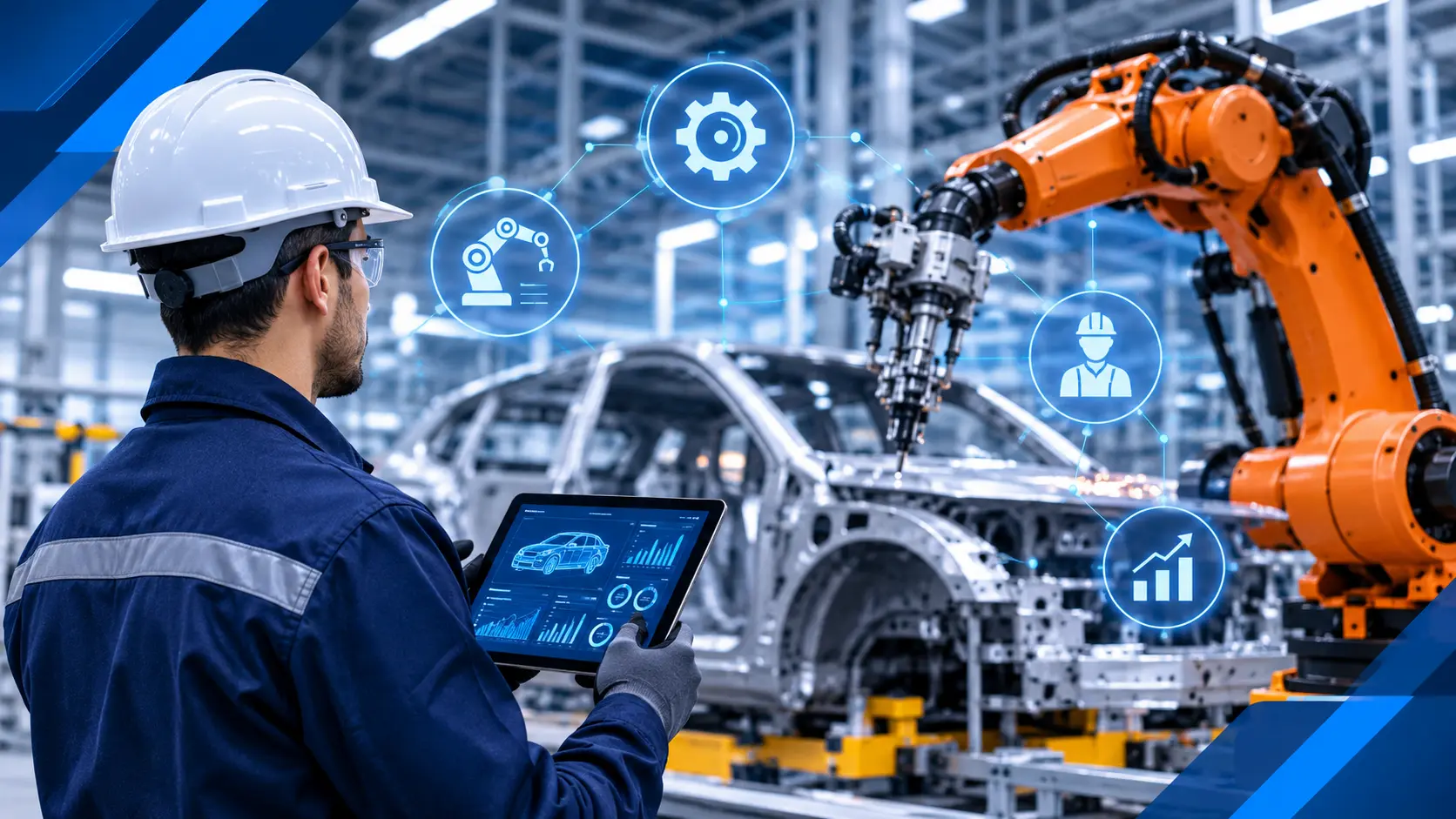
The successful implementation of industrial automation in the automotive industry does not operate in isolation. The rise of collaborative robotics (cobots) and synchronized workstations demonstrates that optimal performance is achieved when technological speed and consistency are combined with the operator’s expertise, critical thinking, and decision-making abilities.
Optimization and Synergy on the Production Floor
While automated systems provide consistent speed and millimeter-level precision in every production cycle, human talent contributes analytical judgment and the ability to adapt quickly to unexpected situations, supported by global standards from the IEEE Robotics and Automation Society..
Full Production Line Flexibility The ability to rapidly reconfigure assembly cells to accommodate new product models without restructuring the entire workforce.
Continuous Training and Reskilling Ongoing technical development that strengthens technological expertise and helps reduce turnover among specialized personnel.
AI-Driven Decision-Making Real-time data processing algorithms that enable engineers to perform accurate predictive maintenance and optimize operational performance.
3. Preparing the Plant for the Future of Technology
For plant managers and decision-makers in the industrial sector, the adoption of new technologies must be carefully planned and supported by a structured integration strategy that prepares the entire workforce for the transition.
Custom Engineering, Safety, and Poka-Yoke
In the development of turnkey automation solutions, we prioritize user-friendly control interfaces, robust industrial safety systems, and purpose-built mechanical designs that streamline daily operations, improve reliability, and enhance overall production efficiency.Poka-Yoke principles are integrated throughout the design process to minimize human error, ensure consistent quality, and support safe, efficient manufacturing operations.
Ready to Optimize Your Production Line Without Compromising Workforce Efficiency?
At Automation ISK, we specialize in designing and integrating custom industrial automation solutions, robotic cells, and material handling systems engineered to increase productivity, improve quality, and support the evolving needs of the automotive industry.